Raw oysters have been linked to an ongoing salmonella outbreak, the Centers for Disease Control and Prevention (CDC) said on Tuesday.
So far, 64 people across 22 states have gotten sick with the same strain of salmonella. At least 20 people have been hospitalized and no deaths have been reported.
State and local public health officials have been interviewing patients about what they ate in the week before they became ill. Of the 27 people interviewed, about three-quarters said they ate raw oysters.
Over 1.7 million eggs sold in 9 states voluntarily recalled due to salmonella concern
"People in this outbreak are being hospitalized at a higher rate than expected when compared to other Salmonella outbreaks linked to oysters," the CDC wrote in a media release.
The CDC and the U.S. Food and Drug Administration are investigating to determine if a common source of oysters can be identified. No recall notices have been announced so far.

The CDC recommends that people cook raw oysters to reduce the risk of food poisoning.
Salmonella are bacteria that live in the intestinal tract of people and animals, which cause an illness called salmonellosis, according to the CDC.
People can get infected by eating contaminated food, drinking or coming into contact with contaminated water, or touching animals, animal feces or the places animals live and roam, the federal health agency said.
Symptoms can begin between six hours and six days after getting infected and include watery diarrhea, fever and stomach cramps with less common symptoms including nausea, vomiting, headache and loss of appetite.
Home delivery meals linked to salmonella outbreak, CDC warns
Illness with salmonella lasts between four and seven days, and most people recover without treatment.
In some cases, illness can severe that the patient is hospitalized, according to the CDC. Treatment includes drinking fluids to prevent dehydration and may include anti-diarrheal medication or antibiotics for those who develop severe intestinal illness.
The CDC says children younger than age 5, adults aged 65 and older and those with weakened immune systems are more likely to get severely sick.
Salmonella bacteria are a leading cause of foodborne illness in the U.S. -- as well as a leading causes of hospitalizations and death linked to foodborne illness -- but the CDC estimates cases are underreported with just one in every 30 infections being diagnosed.
LATEST POSTS
- 1
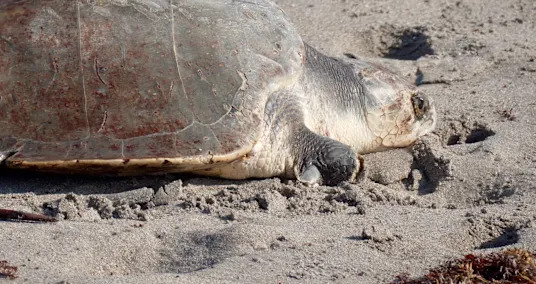
 A 3-limbed Kemp's ridley sea turtle is now being tracked at sea by satellite
 - 2Most loved Amusement Park Firecrackers Show: Which One Lights Up Your Evening?
- 3Savvy Tips for Seniors Hyundai IONIQ EV
- 4Africa's energy giants eye long-term gains on Iran war disruption
- 52024 Eurovision winner Nemo returns trophy over Israel's participation




- 5 Affordable Travel Destinations To Visit In South America
- ChatGPT served as "suicide coach" in man's death, lawsuit alleges
- Syrian army says recent drone attacks targeted its bases near Iraq, most shot down
- Grammy nominations 2026: Full list of nominees in every major category, including Album of the Year and Best New Artist
- Concern for couple jailed in Tehran as British embassy closes
- Robyn returns to music with 'Dopamine,' her 1st single in 7 years: 'Came to save music once again'
- New peace laureate: Iran's arrest of Mohammadi 'confession of fear'
- 'People We Meet on Vacation' is the 1st of many Emily Henry adaptations: What other books turned movies to look forward to
- Spain and Catholic Church agree to compensate sex abuse victims